Home | Weekly Blogs | Summer Term Blogs 2026 | Week 2
Week 2
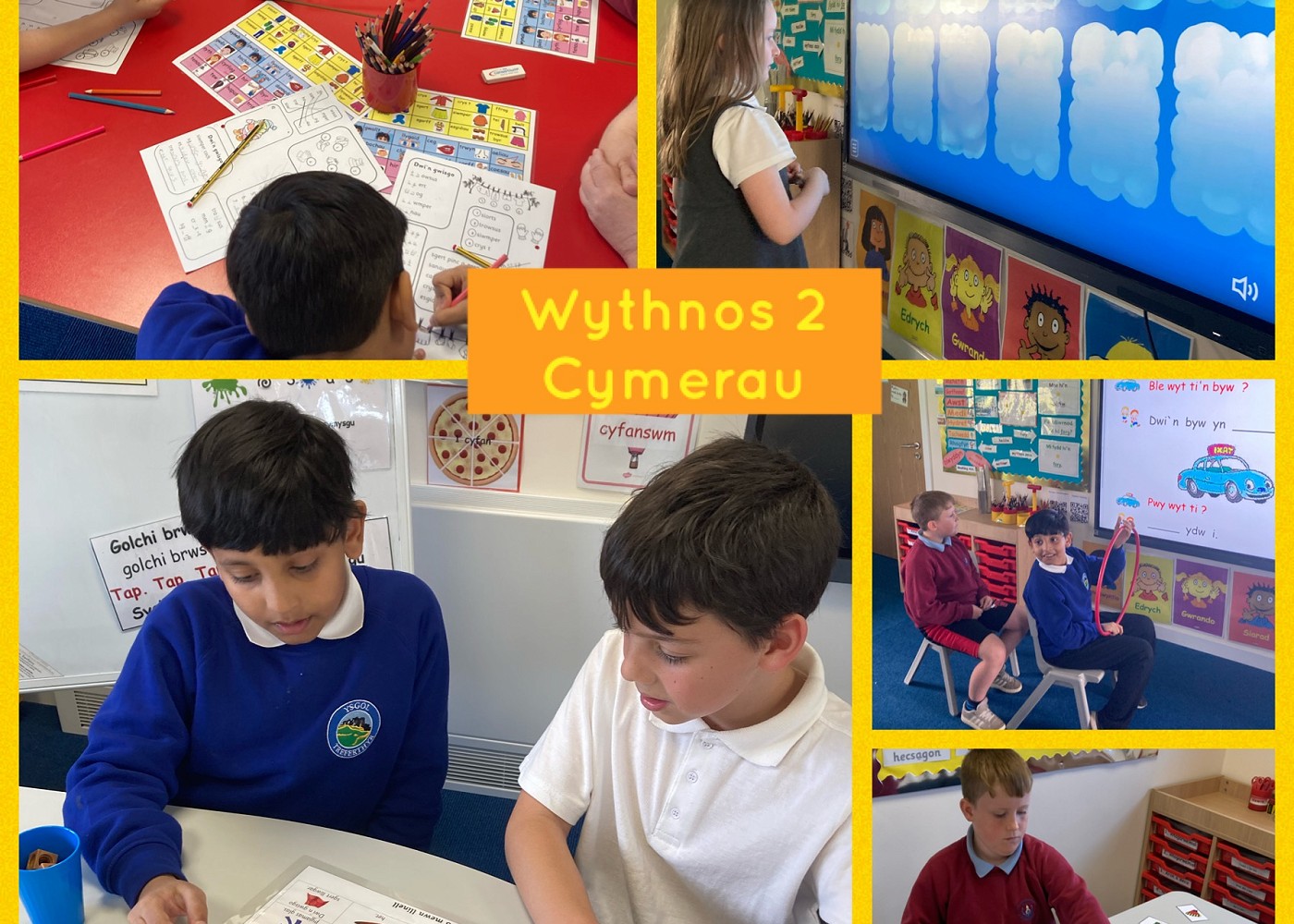
The learners have settled well into their second week of learning Welsh and are continuing to grow in confidence when using language patterns across a range of activities.
Highlights of the Week
During this week, the pupils built on their previous learning by using language patterns in new contexts, helping them to become more confident when communicating orally.
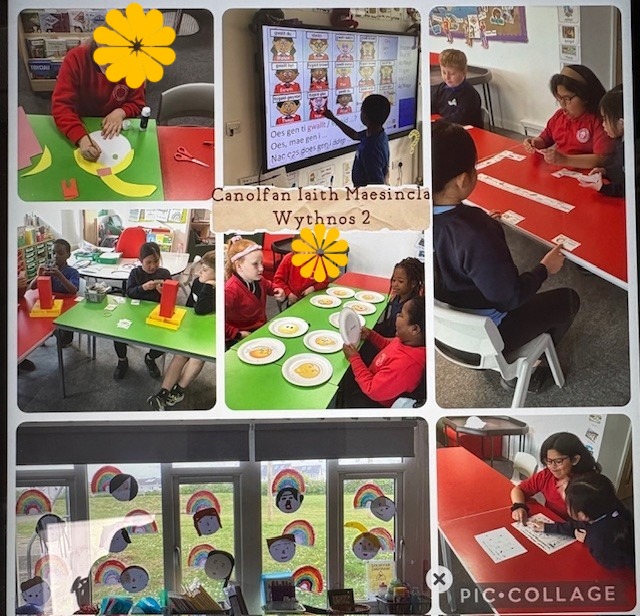
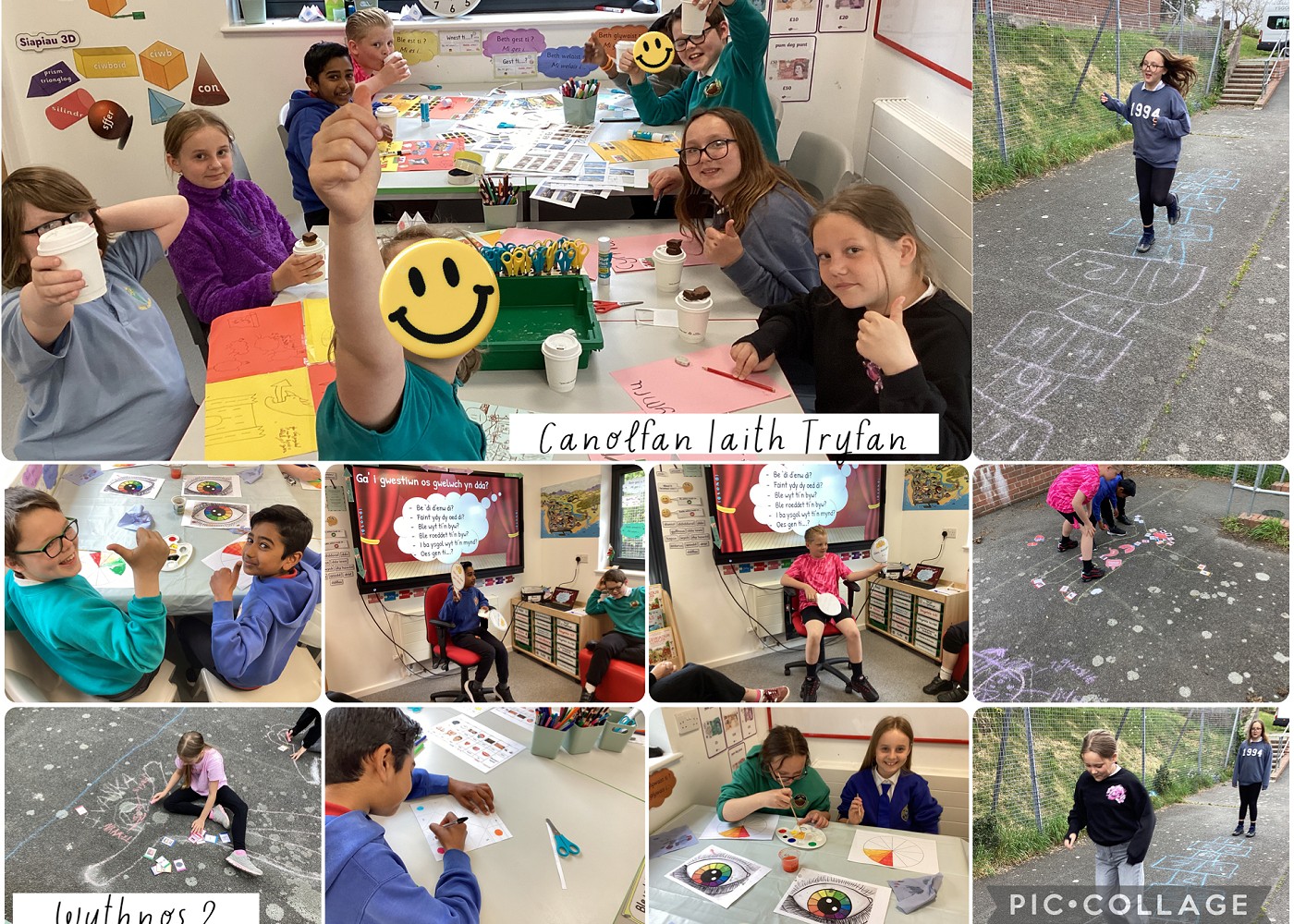
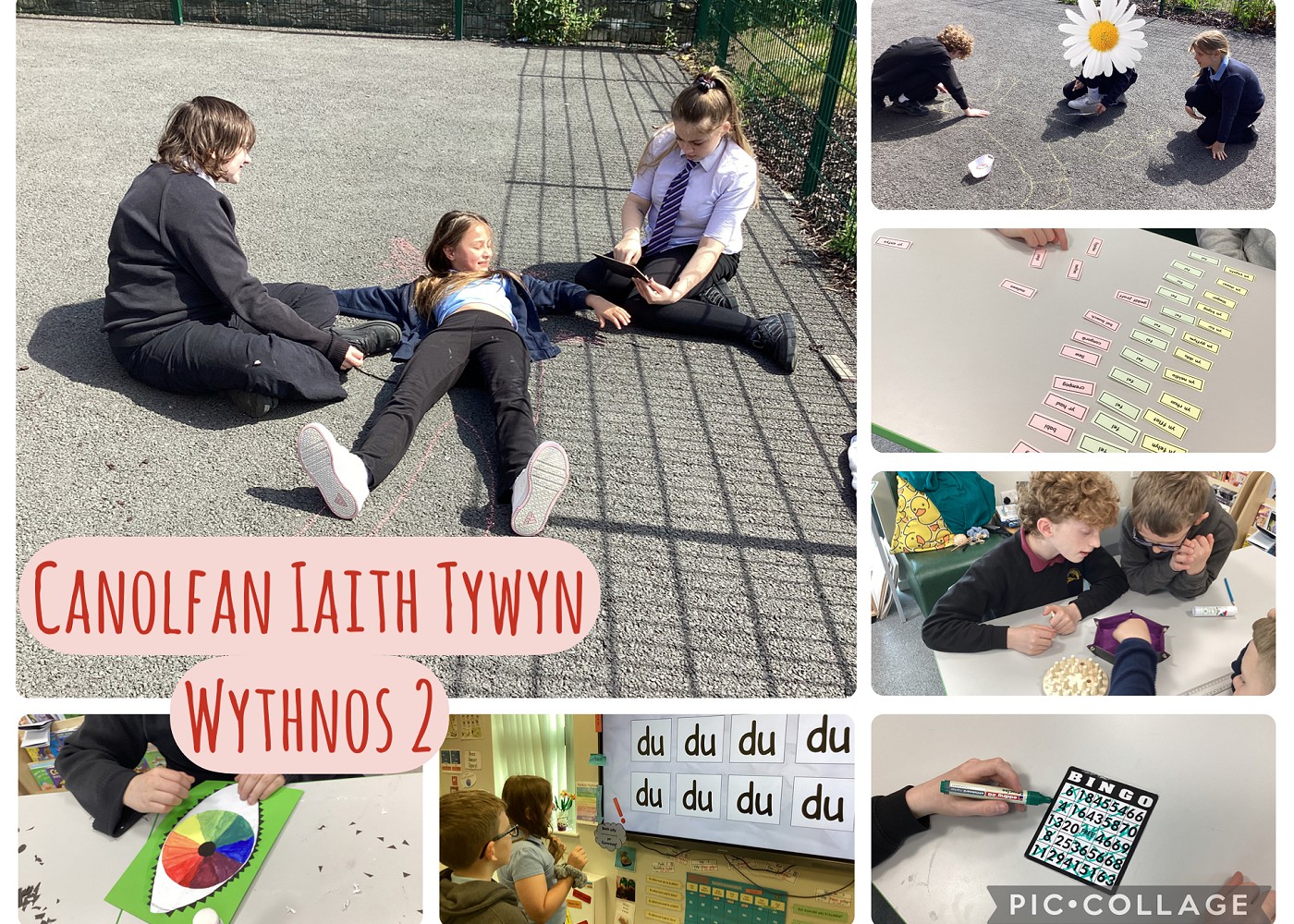
The learners developed their knowledge of parts of the face and body through fun activities such as movement, singing and games. They enjoyed creating funny pictures by combining facial features with simple adjectives. The “Hot Seat” activity provided a valuable opportunity for pupils to practise asking and answering questions, further developing their speaking skills.
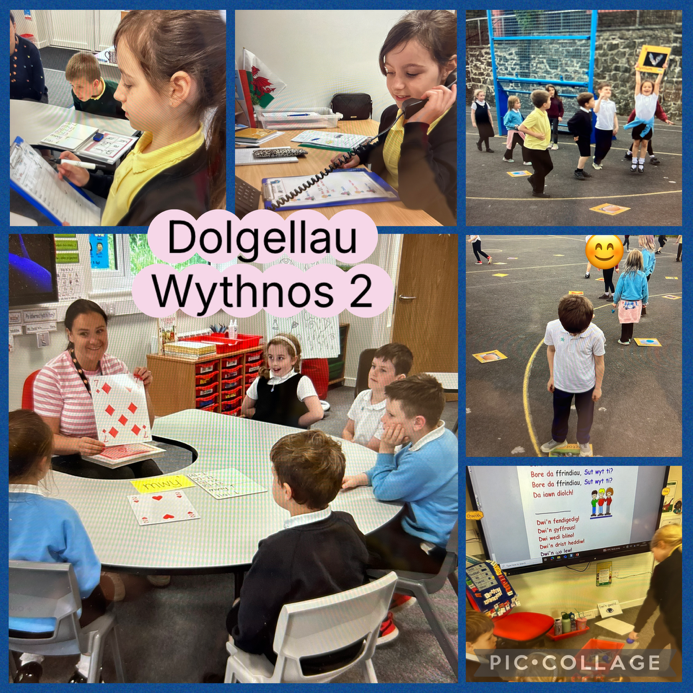
In numeracy sessions, learners reinforced their understanding of numbers and symbols through oral activities and counting games.
Throughout the week, days of the week and weather vocabulary were introduced and practised, with pupils using these patterns regularly in short morning conversations.
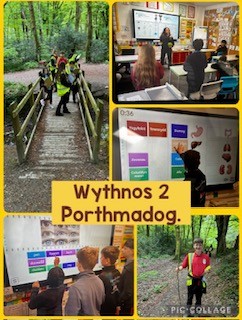
In addition, learners from the Eifionydd Language Centre had the opportunity to learn outdoors during a visit to the woodland at the Nyrseri, Tremadog. During this experience, they developed their use of nature and colour vocabulary by observing their surroundings and describing what they could see in Welsh.
Vocabulary and Language Patterns
Commands:
Go outside to play, Look, Write, Listen, Sit
Days of the week:
- What day is it today? It is ______.
- What day was it yesterday? It was ______.
- What day was it the day before yesterday? It was ______.
Weather:
- What is the weather like today? It is ______.
- It is not ______.
- What was the weather like yesterday? It was ______.
- What was the weather like the day before yesterday? It was ______.
Parts of the body – Face:
- I have ______. / I do not have ______.
- Do you have ______?
- Yes, I have ______. / No, I do not have ______.
Home Learning Opportunities
- Sharing feelings: Talk about feelings or use pictures/cards to express them.
- Listening to Welsh music: Listen, sing and move, and ask about simple vocabulary.
- Art and craft: Colour faces or create pictures of weather and nature using colours.
- Using Welsh at home: Play simple games with numbers or vocabulary, and use phrases such as “good morning” and “good night”.